Camera Support for Filmmakers: Tripods, Gimbals, and Stability That Actually Matter
Disclosure: Some links in this post are affiliate links. If you purchase through them, we may earn a commission at no additional cost to you. We only recommend tools we would confidently use on real productions.
Camera support is not exciting gear. It does not get likes. But it quietly determines whether your footage is usable or exhausting to watch.
If your shots feel shaky, inconsistent, or sloppy, the issue usually isn’t your camera. It’s what the camera is sitting on or hanging from.
Why Camera Support Comes First
Good camera support solves problems before they show up in post.
- Consistency - Locked framing keeps edits clean and intentional.
- Efficiency - Faster setups mean fewer missed moments.
- Endurance - Less strain on your body during long shoot days.
For solo filmmakers especially, proper support is what lets you reset quickly without losing focus.
Tripods: The Most Underrated Tool on Set
A solid tripod is still the backbone of professional video. Interviews, talking heads, product shots, locked-off coverage. This is where stability earns its keep.
What actually matters in a tripod:
- Fluid head with smooth pan and tilt resistance
- Payload capacity that exceeds your rig’s weight
- Fast height adjustments without fighting the legs
A cheap tripod makes every shot feel slightly off. A solid one disappears and lets you focus on directing, framing, and timing.
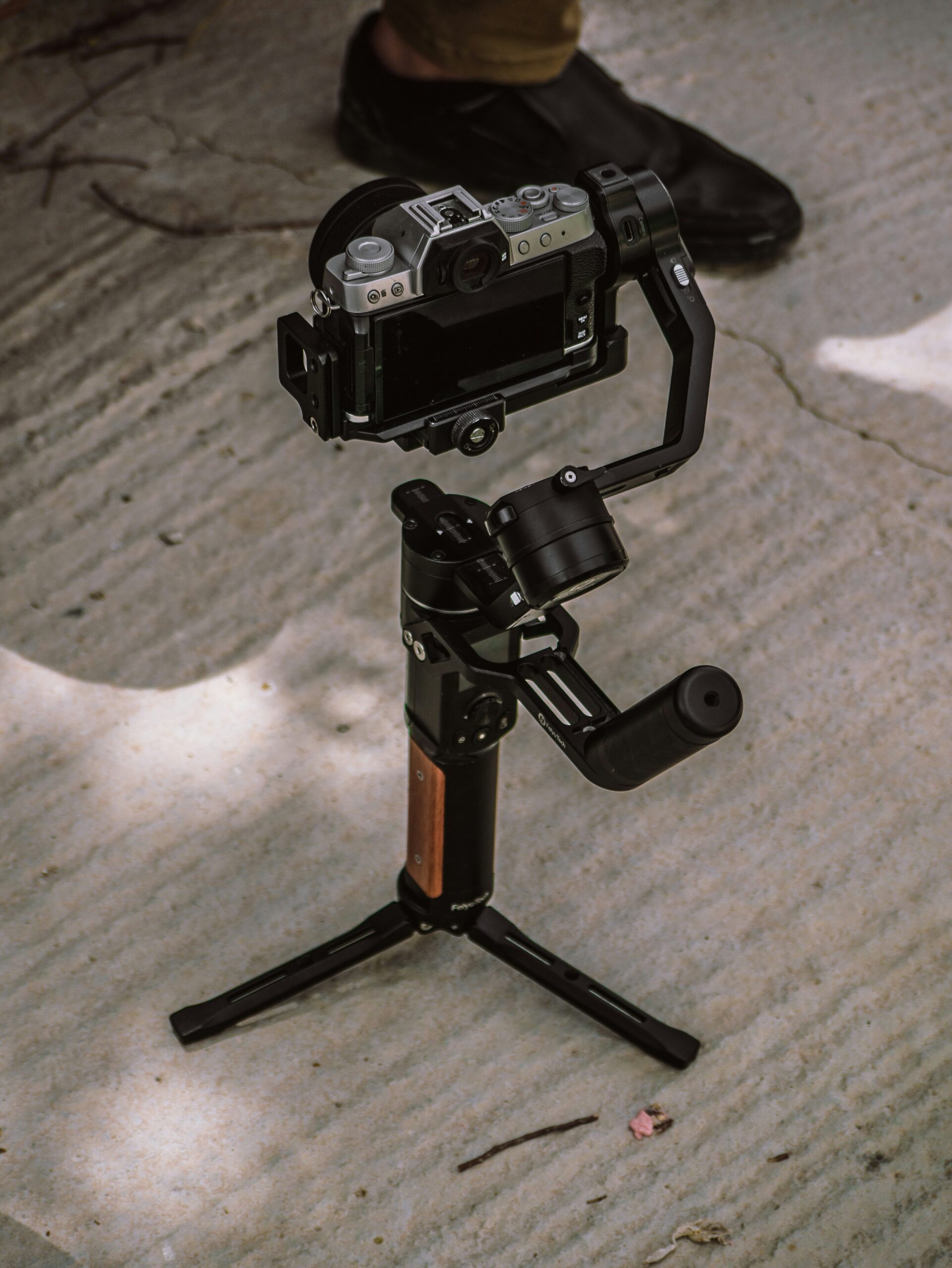
Gimbals: Movement With Control
Gimbals are powerful tools, but only when used intentionally.
If everything moves, nothing feels special. Gimbals work best when they support the story, not when they replace basic shot discipline.
- Use gimbals for motivated movement
- Balance your rig correctly to save battery and your arms
- Lock axes when you want stability, not float
A properly balanced gimbal setup gives you smooth motion without draining your energy halfway through the day.
Handheld Support: Controlled, Not Shaky
Handheld does not mean careless.
Good handheld footage comes from:
- Strong posture and core engagement
- Lightweight, balanced rigs
- Using straps, grips, or shoulder support when needed
When handheld is controlled, it feels intentional. When it’s not, it feels amateur immediately.
How to Choose the Right Support for Your Work
Instead of asking “What’s the best support gear,” ask:
- Am I shooting interviews, movement, or both?
- How often am I working solo?
- How long are my average shoot days?
Your answers should dictate your setup. Not trends.
Simple rule: If your camera support slows you down, causes fatigue, or creates inconsistent framing, it’s the wrong setup for your workflow.
Why This Matters in the Bigger Picture
Camera support directly impacts how calm you feel on set. When your camera is stable, your mind stays clear. When it’s fighting you, everything feels rushed.
This is why camera support sits at the top of any serious gear checklist. It makes every other piece of gear easier to use.
Next Step
If you want help building a support setup that matches how you actually shoot, we can break it down together.